TAMALES
(red pork)
Traditional recipe presented by Jake Burris:
Ingredients: Pork shoulder, White onion, Bay leaves, Mexican oregano, Cumin seeds, Black pepper, Guiajillo chiles, Ancho chiles, Chiles de arbol, Corn masa harina, Baking powder, Pork lard, and Corn husks.
Cooking the Pork:Heat oil in a large pot over medium heat; sauté onion wedges until softened, then remove and reserve. Increase heat to medium-high and brown the pork in batches, turning to color evenly and avoid overcrowding. Add water, return the pork to the pot, and stir in the aromatics and salt. Bring to a boil, then reduce to a gentle simmer over medium-low; cover and cook 2–2.5 hours, or until fork-tender. Shred the meat and strain the broth, reserving both for later.
Chile Sauce: Toast the guajillo, ancho, and arbol chiles on a low-heat comal until fragrant, turning constantly. Rinse and place them in a heatproof container; pour 2 cups of reserved hot broth over them and
let soften for about 5 minutes. If using a molcajete: grind garlic, cumin, and salt into a paste; mix with 2 tablespoons water and set aside.
Transfer the rehydrated chiles, their broth, and the sautéed onions to a blender; if not using a molcajete, add garlic, cumin, and 1/2 tsp salt now. Blend until smooth and strain if needed. Heat 1 tablespoon oil in a large pot over medium-low, then pour in the sauce and stir. Add 1 cup
broth to the blender to collect remaining sauce and add to the pot. Stir in the molcajete paste (if using) and simmer 5–10 minutes. Add the shredded pork and heat through; season with salt to taste (about 3/4 tsp). Remove from heat and let cool.ith and place the rest of it in a sealed container to prevent from drying.
Corn Husks: Select medium-to-large husks without holes or dark spots (save imperfect ones for cooking). Soak in warm or hot water for 15–30 minutes until soft. Rinse, remove silk, drain, and keep ready for assembly.
Masa (Dough):Whisk lard and shortening in a large bowl until smooth, light, and fluffy (2–3 minutes). In another bowl, combine masa harina, baking powder, and salt. Add the dry masa mixture in two parts to the fats, kneading between additions until crumbly and fully incorporated. Gradually add broth, kneading after each addition, until the dough is soft, fully moistened, non-sticky, and able to hold its shape. Keep the dough covered with a kitchen towel; if it dries, add more broth.
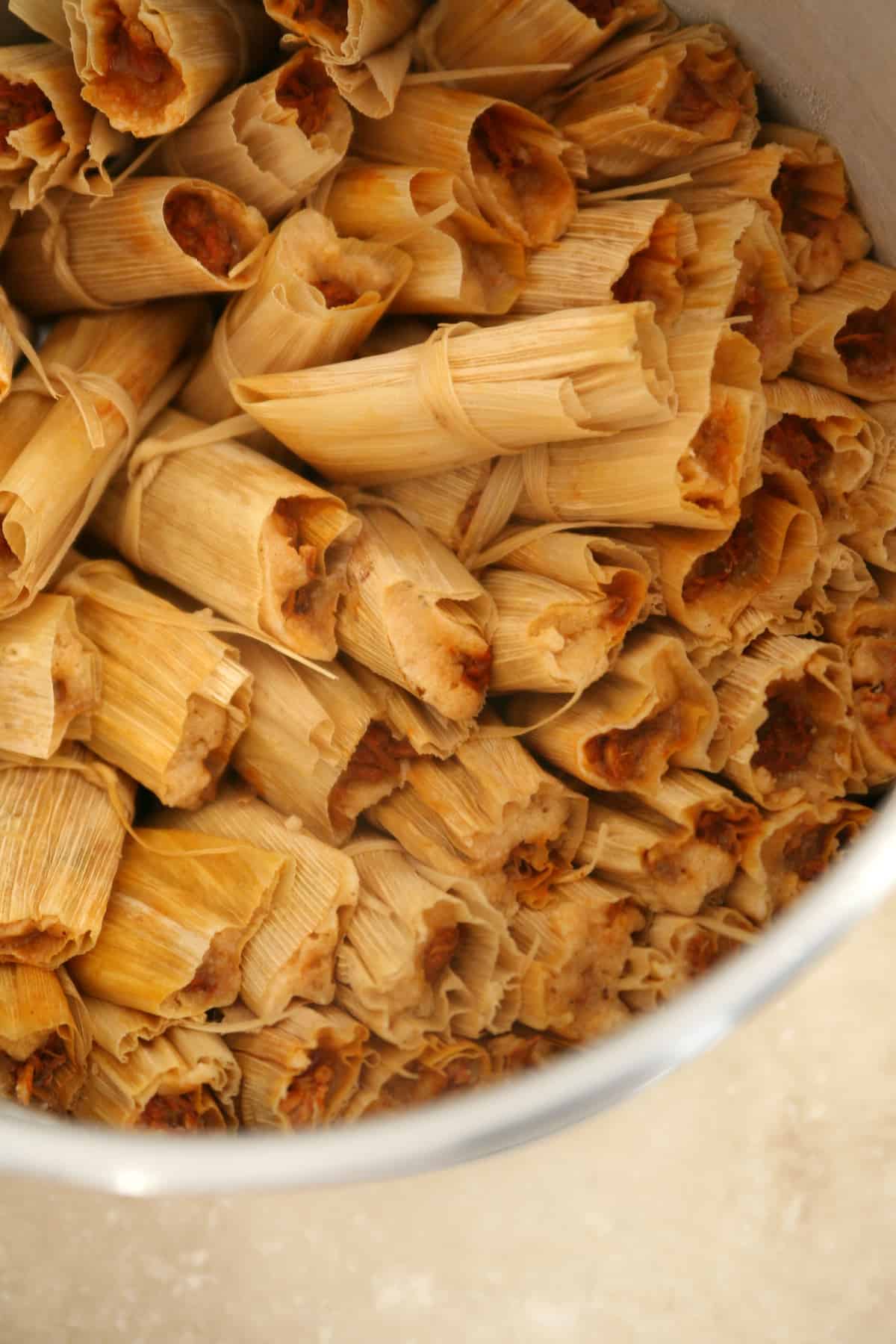
Cooking the Tamales: Fill a large steamer pot with water just below the rack so it does not touch the tamales. Build a base by placing three tamales in a “T” shape, open ends facing inward. Arrange the remaining tamales upright around the base and cover with imperfect husks. Bring water to a boil over medium-high, then cover, reduce heat to medium-low, and steam 50 minutes to 1 hour 10 minutes. Check occasionally and add water if the pot is drying out. Test doneness by cooling a tamal for 5–10 minutes; if it releases easily from the husk and doesn’t
taste raw, it’s ready. Turn off the heat and keep covered until serving. *
More about Tamales!
Tamales have served as a vital, sacred food in religious ceremonies, representing a connection to the gods and nature, and remain a centerpiece for holidays and family gatherings today, with unique regional variations across Latin America, originating in Mesoamerican
civilizations.
Where in Spanish Harlem?
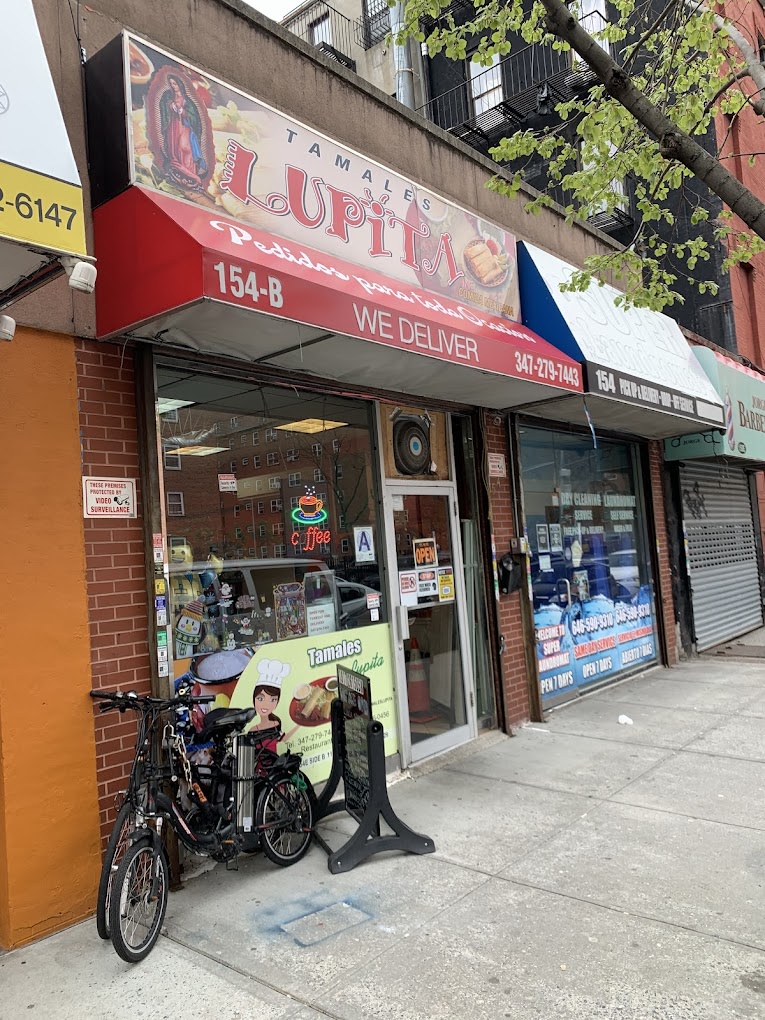
Tamales Lupita
154 E 112th St, New York, NY 10029
Tamales Lupita is a modest yet culturally significant establishment recognized for its preservation of traditional Mexican culinary practices. Known especially for its handmade tamales, the restaurant exemplifies the transmission of family-based foodways within an urban diasporic community. Its menu, centered on classic fillings such as chicken and mole, reflects both authenticity and accessibility, while its informal, welcoming environment underscores the role of small, community-rooted eateries in sustaining cultural identity and everyday social life in East Harlem.
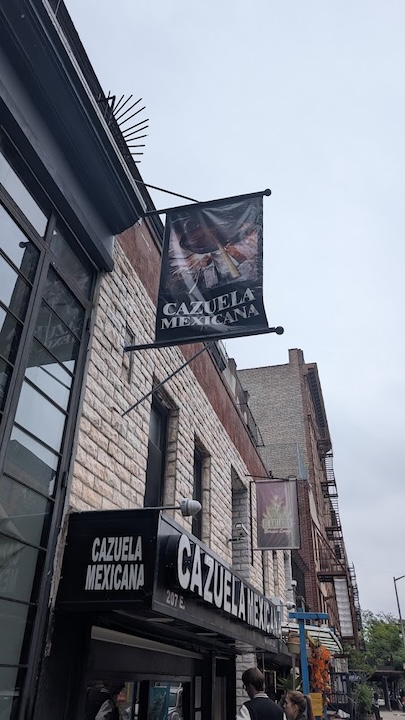
Cazuela Mexicana
207 E 117th St, New York, NY 10035
Cazuela Mexican is a welcoming neighborhood restaurant that contributes to the area’s rich tapestry of Mexican culinary traditions. Known for its approachable menu of classics—such as gorditas, tamales, enchiladas, and other homemade dishes—the space offers a relaxed, down-to-earth environment that reflects the everyday rhythms of East Harlem’s diverse community. Though modest in scale, the restaurant plays a meaningful role in sustaining local food culture, providing residents
and visitors with an accessible, comforting place to experience the flavors and social warmth characteristic of the neighborhood’s Mexican heritage.